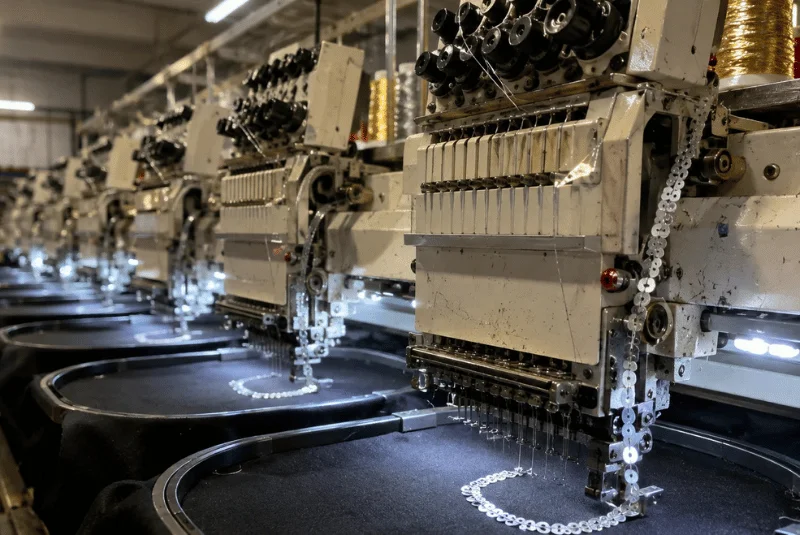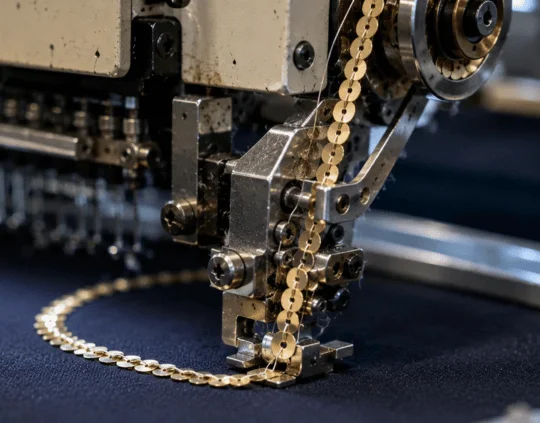
Sequin embroidery is a decorative stitching technique that attaches small, shiny discs to fabric to create sparkle, texture, and a premium finish.
When it comes to sequin embroidery, the technique requires stitching of pearls, shiny buttons, or stones on the garments. It takes time and precision to complete.
Sequin fabrics have been a showstopper for a very long time for both fashion and crafts, whereas, designers are now using its signature sparkle or versatility texture to create a finished look. When drawn with perfection, the glitz of eveningwear and the drama of stage costumes and shimmery dresses require sequin embroidery for that bold and chic look.
These fabrics offer endless creative possibilities, and in this blog, we are going to explore everything you should know about embroidered sequin stitching, techniques, and sequin embroidery tools.
Are you excited to explore it all with us? Let's get started then.
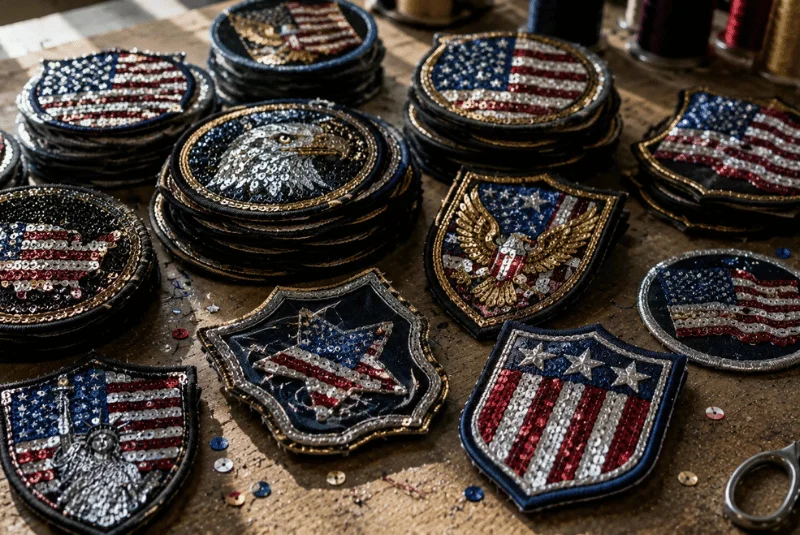
Sequin embroidery stitching is one of the most eye-catching and attractive embroidery styles used in fashion and textile decorations. It is a mixture of embroidery with sparkling textures for creating a luxurious and glamorous design. Whether it's an evening gown or a stage costume, bridal outfits or even decorative patches, sequin embroidery patches are used to give an everlasting experience and enhance the look of the fabric.
Whereas, unlike traditional embroidery pieces, you may use threads and sequin embroidery that involves the attachment of shiny sequins or beads into the fabric using specialized and high-quality stitching machines with patience and precision.
The embroidery may also include additional decorative elements like:
Modernized embroidery machinery is required for stitching the sequins into the garments, as an ordinary one would be of no use. It allows you to produce custom luxury pieces with exceptional detailing.
If you are new to the craft, our guide on History of Decorative Embroidery covers the basics before you step into sequin work.
Whether it's 3D puff or flat embroidery, the shine and quality that sequin embroidery adds to the garments are unexplainable.
If you are weighing one raised style against another, our guide Comparing Sequin to 3D Puff explains where each one works best.
It adds instant elegance and shine to the garments and helps businesses to dominate the fashion industry. Whereas:
The major reasons include:
From the bridal collection to the dance costumes, sequin patterns remain one of the best and most versatile collections available for turning the garments into a good one.
There are several methods used depending on the desired finish. For your understanding, we have mentioned them here:
For a wider view of the decorative options available on apparel, our overview of Sequin as a Garment Embroidery Type is a helpful starting point.
The traditional method involves attaching sequin pieces with needles and a thread. Whereas, these are commonly used for bridal dresses, cushion covers, luxury embroidery dresses, and designer garments with custom patches.
These are way too time-consuming as precision is required for processing the entire process, and attaching the sequin to the materials.
Modernized embroidery machines are equipped with sequin attachments to automate the entire stitching process at high speed because hand sequin takes time.
For orders in bulk, machine sequin embroidery is necessary and a must-have. Perhaps, this method is ideal for bulk apparel orders, uniform creation, fashion branded clothing, and promotional clothing for commercial use.
Now let's hear about the common sequin stitching techniques for better understanding:
One sequin is attached or stitched on the cloth using a central stitch. Whereas, it creates a scattered sparkle effect. Perhaps, sequin stitch for a single one is best for evening dresses, prom night dresses, or decorative assets.
Continuous sequins are attached on the garments to form lines, curves and borders within the fabric. This continuous sequin stitching is best for floral outlines, borders of the fabric, lettering, and decorative trims.
Whereas, another category of sequin stitch is overlapping the previous stitch to create a fish-scale-like appearance. It is best for mermaid dresses, costume embroidery, and luxury garments.
The mixed media embroidery combines sequins with satin stitches, beads, metallic threads, and chenille embroidery.
Here are the essential sequin embroidery tools that you should have before starting the stitching process:
Commercial embroidery machines can automatically place and stitch the sequins with precision on the garments, ideal for large-scale production orders.
The feeding device feeds sequins into the machine continuously for a consistent and finished look with accurate placement.
The embroidery hoops keep the fabric stable throughout the process, keeping the sequin patch intact, and preventing any damage.
A special quality of the needle is required to do sequin embroidery on fabric without it falling out within seconds of use.
Cut-away or tear-away stabilizers provide additional fabric support and help maintain clean embroidery.
If you are wondering how to sew sequins on fabrics, then here you go with the discussion:
The first and most important step is to wash the fabric and iron it properly to make it perfect for sequin stitching. You can place it securely inside the embroidery hoop for the perfect sequin stitch.
You can transfer the embroidery design using any washable marker, chalk, or embroidery software if a machine is required.
The third step in "how to sew sequins" is to choose the type of sequin based on the fabric's size, shape, color, finish, and material.
Attaching the sequin on the machine individually would take time; however, using an automatic machine would help you to do the sequin stitch continuously without any hassle.
You can secure the sequin stitch by tying the thread off securely on the back of the fabric, preventing it from loosening during use.
Following the sequin design tips will help you improve the appearance and durability of the garments.
Here are the most common benefits of choosing sequin stitch:
That's a wrap. Sequin work looks fancy, but once you get the basics of the sequin stitch down, it's really just repetition and patience. Pick the right sequin embroidery tools, stick to a few proven sequin design tips, and your finish improves overnight.
We covered what sequin embroidery is, why it still turns heads in fashion, the main sequin techniques people use today, the tools you'll need, and how to sew sequins step by step - start to finish.
Whether you're doing this for fun or running commercial embroidery, it's a skill worth having. And if you'd rather hand it off, The Embroidery Guys can add that sparkle to your fabric for you.
Customer satisfaction is our top priority. Feel free to contact us for any queries or assistance. Looking forward to serving you with our top-notch design services
Yes, The Embroidery Guys do offer sequin embroidery stitching for that finish and stylish look.
Sequin embroidery by hand can take several hours, whereas with a machine, it can be done in minutes.
Sequin embroidery is a decorative textile art that stitches small, flat, shiny discs onto fabric.
The most common types of sequin embroidery include: surface embroidery, counted-thread embroidery, and canvas work.
Hand wash garments with sequin embroidery in cold water, turn them inside out, and lay them flat to dry so the sequins stay secure and shiny.
Already have an account? Login